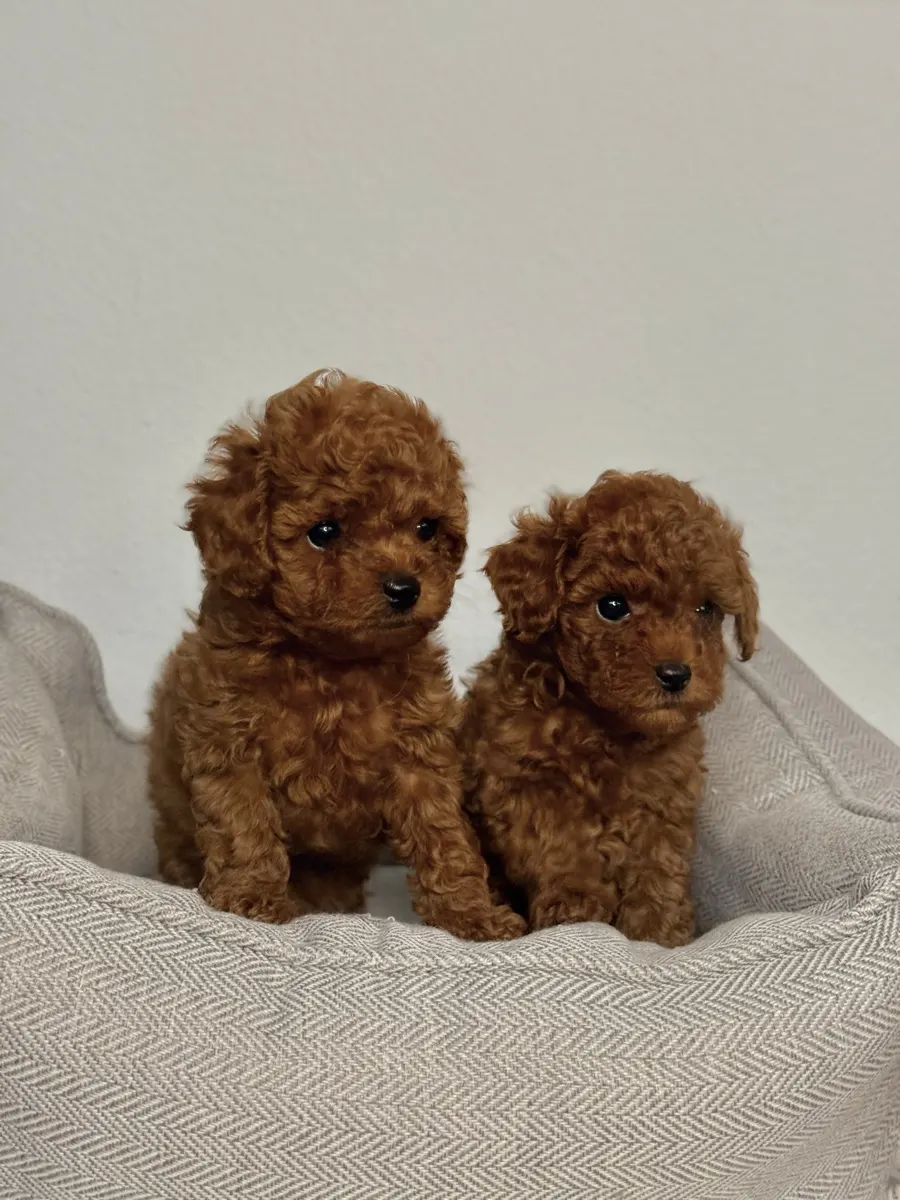
Feeding a Toy Poodle well is mostly about two things: a high-quality small-breed diet and measured portions. Their tiny size means small mistakes — an extra handful of treats, free-feeding — add up fast, and keeping a Toy Poodle lean is one of the biggest favours you can do for its joints and lifespan. This guide covers what to feed, how much, how often, what to avoid, and how to keep a healthy weight. It's part of our complete Toy Poodle breed guide.
Feeding at a glance
Food: complete small-breed formula, real meat first · Portions: measured, not free-fed · Meals: puppies 3–4/day → adults 2/day · Treats: under ~10% of daily calories · Goal: lean body — visible waist, ribs easily felt.
What to feed
Choose a complete, high-quality small-breed food with real meat as the first ingredient. Small-breed formulas use a smaller kibble that's easier for a tiny mouth, and the calorie density suits a fast metabolism. Match the food to your dog's life stage (puppy, adult, senior), introduce any new food gradually over a week to avoid stomach upset, and ask your vet if you're unsure what suits your individual dog.
How much and how often
Use the food's feeding guide for your dog's target weight as a starting point, then adjust to body condition rather than the bag. Toy Poodles have small stomachs, so meals are split through the day:
| Age | Meals per day | Notes |
|---|---|---|
| 8–16 weeks | 3–4 small meals | Guards against low blood sugar in tiny puppies |
| 4–12 months | 3 meals | Transition gradually toward adult food |
| Adult (1 yr+) | 2 meals | Portion to keep a visible waist |
This mirrors the schedule in our care & grooming guide. Always keep fresh water available.
Foods to avoid
Some everyday foods are dangerous for dogs, and a Toy Poodle's tiny body means even small amounts can be serious. Never feed:
- Chocolate, grapes and raisins, onion and garlic.
- Xylitol — a sweetener in some gums, sweets and peanut butters.
- Macadamia nuts, alcohol, and cooked bones (which can splinter).
If your Poodle eats any of these, contact a vet immediately — don't wait for symptoms.
Treats and keeping a healthy weight
Treats are great for training but should stay under about 10% of daily calories, and they count toward the daily total. To keep your Toy Poodle lean: measure every meal instead of free-feeding, weigh your dog regularly, and aim for a visible waist with ribs easily felt. Obesity strains small joints and shortens life, so a lean body condition is the single most protective everyday habit. For more on longevity, see how long Toy Poodles live.
Looking for a healthy Toy Poodle?
Valivans raises red and apricot Toy Poodles in Valencia, Spain — health-tested parents and puppies started on a quality small-breed diet. Get in touch to learn more about our litters.
Frequently Asked Questions
A complete, high-quality small-breed food with real meat as the first ingredient, fed in measured portions. Small-breed formulas have the right kibble size and calorie density for a tiny mouth and fast metabolism. Choose a food appropriate to your dog's life stage and ask your vet if unsure.
Follow the food's guidelines for your dog's weight as a starting point, then adjust to keep a visible waist and easily felt ribs. Most adult Toy Poodles eat a small measured amount split across two meals a day; exact grams depend on the food's calorie density and your dog's activity.
Puppies need three to four small meals a day to avoid low blood sugar, dropping to about three meals as they grow, and two meals a day as adults. Small, frequent meals suit a Toy Poodle's tiny stomach better than one large meal.
Never feed chocolate, grapes or raisins, onion or garlic, xylitol (a sweetener in some gums and peanut butters), macadamia nuts, alcohol, or cooked bones. These can be dangerous even in small amounts for a tiny dog — if your Poodle eats any, contact a vet immediately.
Measure every meal rather than free-feeding, keep treats under about 10% of daily calories, and weigh your dog regularly. Obesity is hard on a Toy Poodle's small joints and shortens life, so a lean body condition — visible waist, ribs easily felt — is the goal.