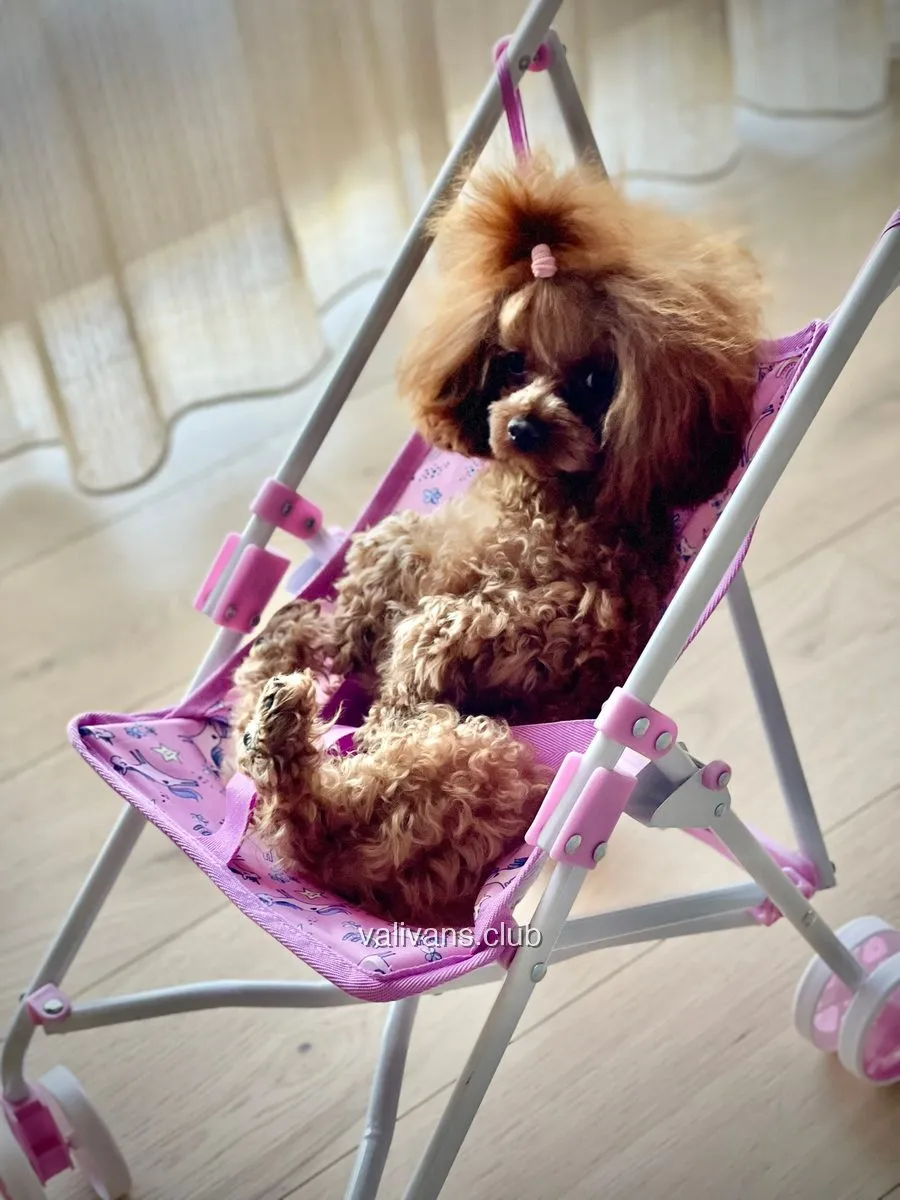
Neutering is the one operation almost every Toy Poodle owner ends up thinking about, usually in the first year and usually under a pile of conflicting advice. This guide sets out what the surgery involves for a male and for a female, what decides the timing, the pros and cons for a small companion dog, how recovery goes and what changes afterwards. It is general information, not a treatment plan: the decision, and above all the date, belong to you and your vet, who knows your dog's growth, weight and health. The guide is part of our complete Toy Poodle breed guide.
The short answer
For a companion Toy Poodle, neutering is a routine operation that many vets recommend. It ends heat cycles, can reduce roaming and hormone-driven marking, and lowers the risk of several reproductive illnesses. It is not expected to change the dog's personality or fix training problems, and it brings two trade-offs to manage: a slower metabolism and, in many poodles, a softer coat. When to do it is your vet's call for your particular dog.
Castration, Spaying, Neutering: What the Words Mean
In everyday English, neutering covers both sexes. Castration is the operation on a male: the testicles are removed under general anaesthesia through a small incision, and most dogs go home the same afternoon. Spaying is the operation on a female: the vet removes the ovaries, and often the uterus, through the abdomen. It is the bigger procedure, and a growing number of clinics offer it by keyhole surgery. If you are still weighing a boy against a girl, our male or female Toy Poodle guide covers the day-to-day differences; this page picks up where that one leaves off.
When to Neuter a Toy Poodle
There is no single right age, and anyone who gives you one without seeing your dog is guessing. Two things weigh on the decision: growth and, in a female, the heat cycle.
The growth argument comes mostly from large breeds, where studies have linked very early neutering to joint problems later on. A Toy Poodle finishes growing far earlier than a Labrador, so the argument carries less weight here, but many vets still prefer to see the dog fully grown before they operate. For a female, the practical choice is before the first heat, between the first and the second, or later. Spaying before the first heat is associated in veterinary literature with the lowest risk of mammary tumours; waiting lets the dog mature with her own hormones first. Vets differ on where the balance lies, so ask yours to explain the reasoning for your puppy rather than just name a month.
For a male there is usually less urgency, and many vets suggest waiting until the dog is an adult unless marking, roaming or frustration around females in season becomes a problem sooner. Let the vet examine the dog and bring the questions from the end of this page. The first months, vaccinations included, are covered in our Toy Poodle puppy guide.
Pros and Cons for a Small Companion Dog
| What you gain | What you manage | |
|---|---|---|
| Heat cycles | End completely after spaying, along with false pregnancies | Nothing |
| Marking and roaming | Usually fade in males when they are hormone-driven | A learned habit can persist; training is still needed |
| Reproductive illness | Removes the risk of uterine infection in females and testicular tumours in males | Surgery and anaesthesia carry their own small risk, reduced by a pre-op check |
| Weight | Nothing | Metabolism slows; most dogs need smaller portions |
| Coat | Nothing | Many poodles grow a softer, denser coat that mats faster |
| Behaviour | Less frustration around females in season | Fear, barking and separation anxiety do not change |
| Unplanned litters | Impossible | Nothing |
The clearest health argument is for females. Pyometra, an infection of the uterus, is common in older unspayed bitches and is a surgical emergency; removing the uterus prevents it, and mammary tumours are less likely in a dog spayed young. For males the gain is smaller: no testicular tumours and less benign prostate enlargement in old age. None of this guarantees a long, healthy life, and your vet can weigh these benefits against the risks for your dog.
The trade-offs are just as real. A neutered dog burns fewer calories, so the portion that kept a three-kilo intact dog lean can put weight on the same dog a few months later; ask your vet how often to weigh the dog and how far to adjust the food, as our Toy Poodle feeding guide explains. Groomers also talk about a "spay coat": after neutering many poodles grow a softer, cottony coat that tangles faster. It is cosmetic, but it means more brushing or a shorter clip, as described in our grooming guide.
The Operation and Recovery, Day by Day
Before and on the day
Your vet will examine the dog and may suggest a blood test before anaesthesia. The clinic will tell you when to withhold food and water the night before; follow their instructions, not a rule from the internet. Buy a recovery suit or cone in advance, because a Toy Poodle is flexible enough to reach any incision on its body. Most dogs are home the same day: groggy, likely to skip dinner and want to sleep. Give the dog a warm, quiet spot away from children and other dogs, as your clinic advises. Give only the pain relief your vet prescribed, exactly as written, and never a human painkiller: several are toxic to dogs.
The first two weeks
Healing commonly takes around ten to fourteen days, but your vet's instructions for your dog come first. The usual rules: toilet walks on the lead only, no jumping onto sofas or beds, no bath and no grooming near the wound, and the suit or cone on whenever nobody is watching. Check the incision twice a day; a little pinkness in the first days is normal. Call the clinic if you see bleeding, swelling that grows, discharge, an opened stitch, repeated vomiting, a dog that will not drink, or lethargy that worries you. When in doubt, call. The vet will usually check the wound once in this period and remove any non-dissolving stitches. Book the groomer only once your vet says the wound has healed.
What Changes Afterwards, and What Does Not
Hormones fall over weeks, not hours, so a castrated male may still show interest in a female in season for a month or more. Marking driven by hormones usually fades in that time; marking that became a habit needs the same patient house-training as before, which our training guide covers. A spayed female has no more heats and no more false pregnancies.
What mostly stays the same is the dog. Neutering is not expected to make a Toy Poodle calmer, braver, quieter or more obedient; fear, barking and separation anxiety are training matters, and expecting the surgery to solve them usually ends in disappointment. Appetite usually rises while energy needs fall, which is why the scales matter in the first months. The coat may change texture; the personality, playfulness and intelligence are not expected to.
Alternatives, and the Breeding Question
For a male, some vets in the EU offer a hormone implant that suppresses testosterone for a limited time and then wears off, and some use it as a trial before permanent surgery. Vasectomy and ovary-sparing spays exist too, but they are uncommon. If any of these appeal to you, ask your vet whether they suit your dog.
A dog intended for breeding is a different case altogether. It stays intact, it goes through health screening and registration, and the decisions about it belong to the breeder and the breed club, not to a care guide. This page is about companion dogs, which is what almost every Toy Poodle is.
Questions to Ask Your Vet
- At what age for this dog, and why? The reasoning matters more than the number.
- For a female: before or after the first heat? Ask what each option changes for her health.
- Keyhole or open surgery? Not every clinic offers both; recovery differs.
- What is the pain-relief plan, and what should I watch for at home?
- By how much should I cut the food, and when do we weigh the dog again?
- For a male: is a hormone implant trial an option first?
Neutering is one line in a much longer health file. Our Toy Poodle health guide covers the rest of it, and the lifespan guide explains what actually adds years to a small dog's life: weight, teeth, exercise and a vet who knows the dog.
Planning Life with a Toy Poodle?
Valivans, a Ukrainian family kennel, breeds red and apricot Toy Poodles in Valencia, Spain: UKU-registered (FCI-recognised), from health-tested parents, raised at home. Questions about the first year, neutering included, are welcome when you write to us or join the waitlist.
Frequently Asked Questions
There is no fixed age. Toy Poodles finish growing earlier than large breeds, so many vets are comfortable neutering once the dog is mature, and for a female the main question is whether to spay before or after the first heat. Let your vet examine your dog and set the date; a number from a forum is a guess.
Not in the ways that matter most. Playfulness, affection and intelligence are not expected to change. What can drop is hormone-driven behaviour: roaming, interest in females in season and, in many males, marking. Fear, barking or separation anxiety are training matters and are not fixed by surgery.
Many do if portions stay the same, because the metabolism slows. Ask your vet how often to weigh the dog and how much to adjust the portion; keep walks as they were. Your vet can give you a target weight.
Most dogs are home the same day, and healing commonly takes around two weeks, though your vet sets the timeline for your dog. Expect lead-only toilet walks, no jumping and a cone or recovery suit until the vet says the incision has healed. Call the clinic about any swelling, discharge, opened stitches or a dog that stays lethargic.
Often, yes. Many poodle owners and groomers notice a softer, denser coat after neutering that mats more easily. It is cosmetic, not a health problem, but plan on more frequent brushing or a shorter clip.